Smart Glasses Battery Life: What to Verify Before a Wholesale Order
Battery life on a glasses specification sheet is a laboratory figure, usually measured at moderate volume with the radio in a favourable state and no camera use. Real use combines audio playback, standby drain, camera recording and charging-case losses, so the delivered number is normally well below the printed one. To verify before ordering, measure three things on a sample: continuous playback at a realistic volume, standby drain over 24 hours with the glasses paired but idle, and recording time with the camera running. Multiply by the way your channel actually uses the product, then decide whether the cell is adequate.
Key takeaways
- Treat any single battery number as a ceiling, not an expectation. Ask which test produced it.
- Standby drain is the hidden variable: a pair that loses charge overnight is a return, not a specification detail.
- Camera use changes the calculation entirely — recording draws far more than audio playback.
- Cell capacity is constrained by temple volume, so an ultra-light frame cannot hold the same battery as a thick one.
- Charging-case capacity belongs in the same calculation as the glasses themselves.
Why the printed number rarely matches the delivered one
A battery figure is produced by a test with a defined script: a fixed playback volume, a specific codec, the phone held at a set distance, screen off, no calls, no camera. Change any of those and the runtime moves.
The most common gaps between printed and delivered figures come from four places:
- Volume. Audio output power rises non-linearly with volume. The loudest setting can halve runtime compared with a moderate one.
- Codec and bitrate. Higher bitrate streams keep the radio busier for longer.
- Standby drain. A paired pair that is not playing still consumes current to maintain the link and to poll buttons or touch sensors.
- Case losses. Charging from a small case battery involves conversion losses in both directions. The case's rated capacity is not the number of full charges it delivers.
None of these are defects. They are the difference between a lab script and a customer.
The cells that fit inside a temple
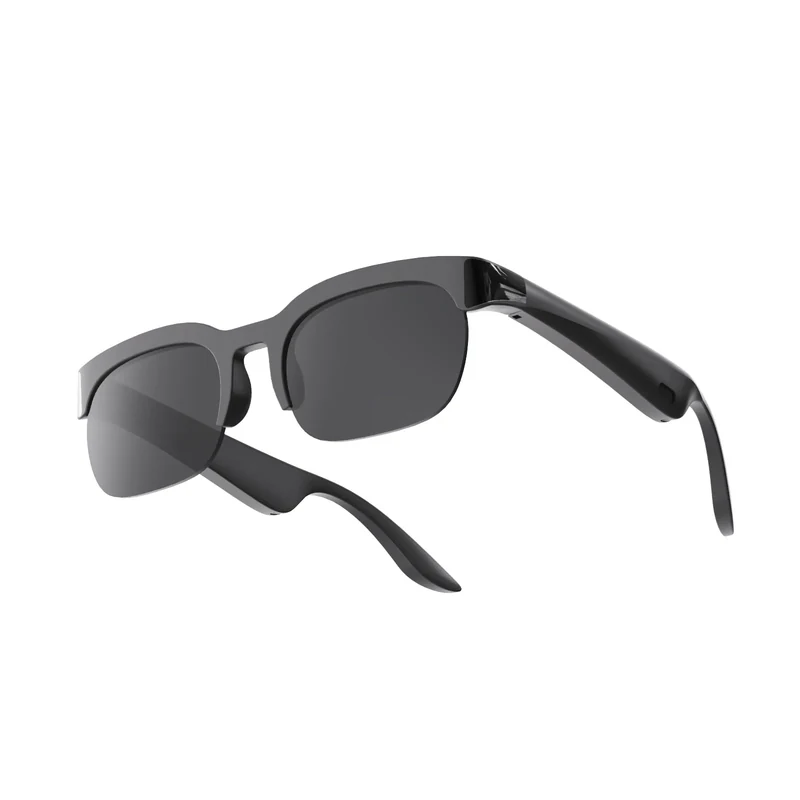
Glasses batteries live in the temples, which is the least forgiving place on any consumer product to put energy storage. Temple diameter caps cell size, and cell size caps capacity.
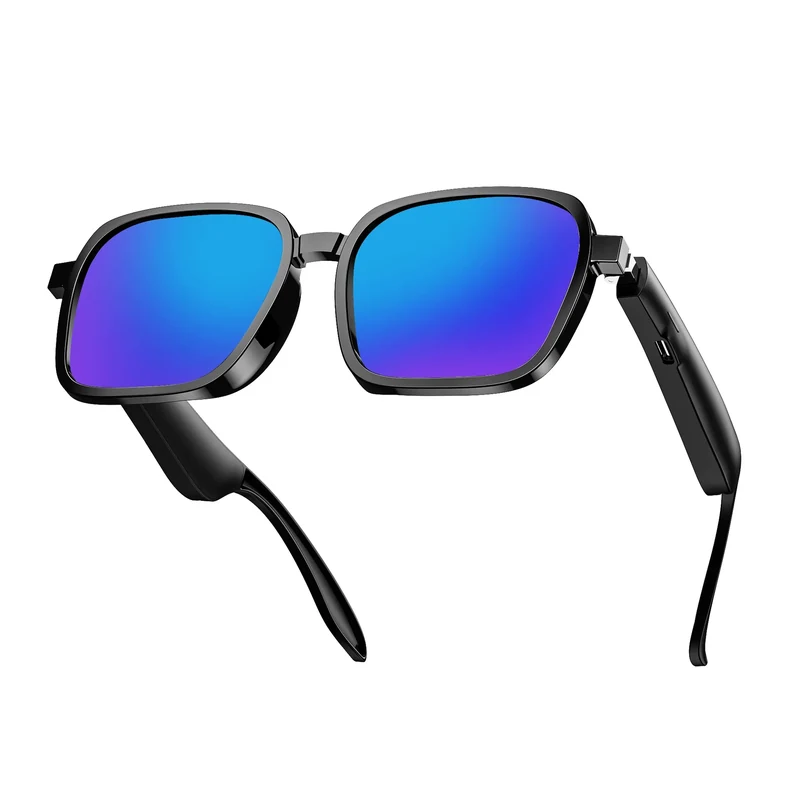
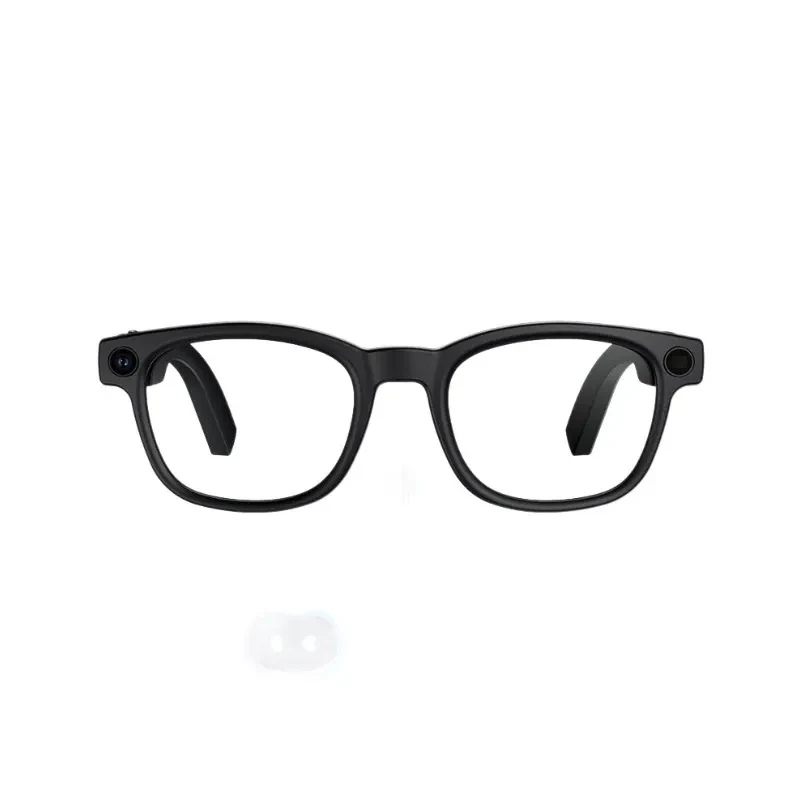
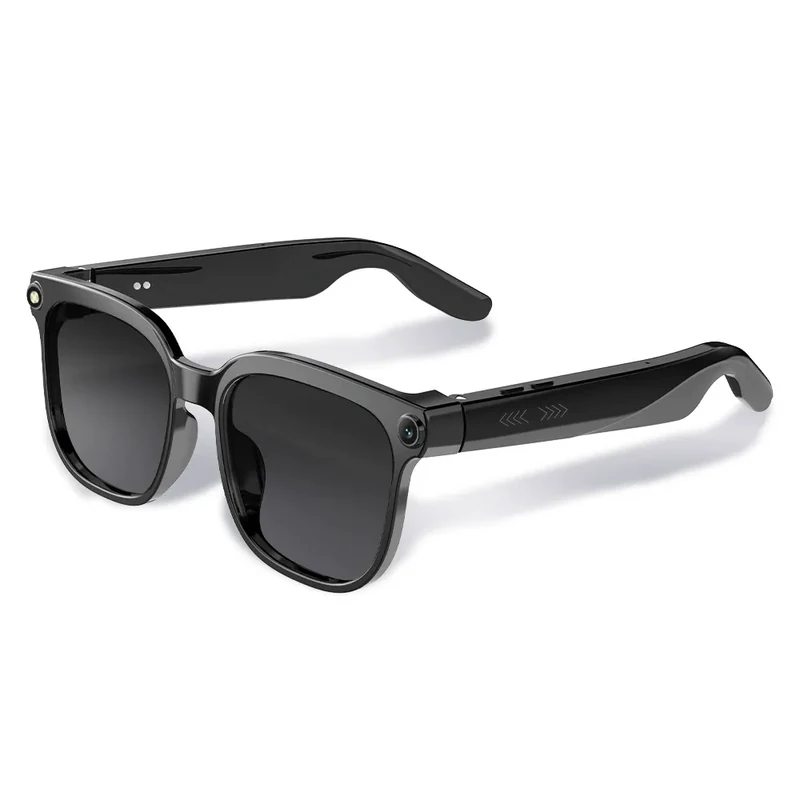
| Frame type | Typical temple volume | What the cell can realistically support |
|---|---|---|
| Thin metal audio frame | Very limited | Several hours of playback, minimal standby headroom |
| Standard acetate or TR90 frame | Moderate | Full-day mixed audio use with a case recharge |
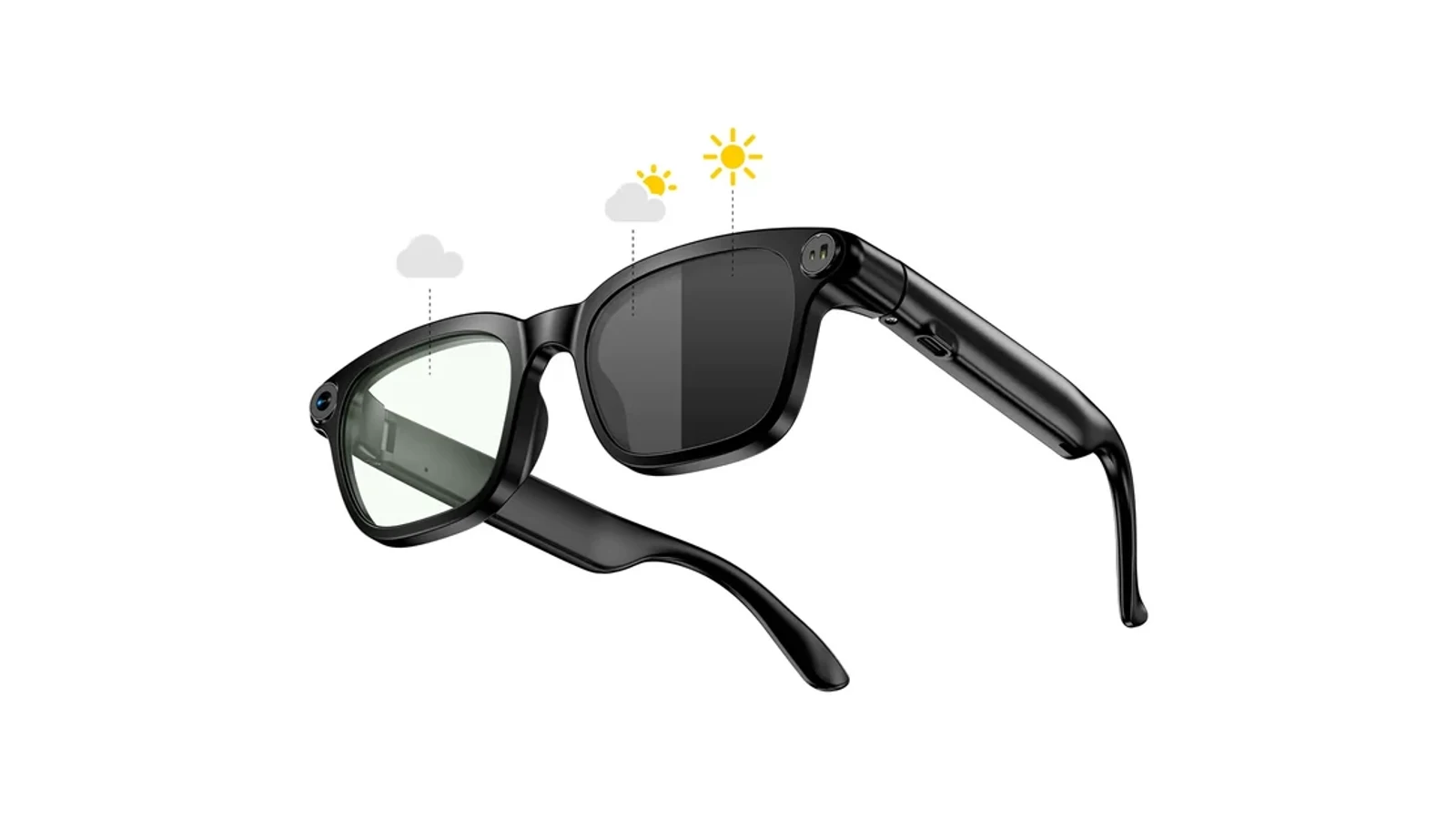
| Camera frame | Reduced by sensor and lens stack | Shorter audio runtime plus limited recording time |
| Over-ear or sport hook design | Larger housing | Longest runtime, at the cost of visual bulk |
When a specification claims long runtime from a very slim frame, ask for the cell capacity in mAh and the cell type. A capacity figure that does not fit the housing is the fastest way to spot a marketing number.
The three tests worth running on a sample
Testing battery behaviour does not require a laboratory. It requires discipline about conditions.
1. Continuous playback at realistic volume
Pair the glasses, set volume to the level a customer would use outdoors — not the lowest setting — and play continuously until shutdown. Record the time. Repeat once to confirm the figure is stable; a large spread between two runs suggests a cell or firmware issue.
2. Standby drain over 24 hours
Charge to full, pair, and leave idle for 24 hours without playback. Measure remaining capacity. A pair that loses a meaningful share of its charge while doing nothing will generate complaints from customers who leave the glasses in a bag between uses.
3. Recording time with the camera active
Camera frames need a separate measurement, because video capture draws far more current than audio. Test at the resolution you intend to advertise, with stabilisation on if it is claimed. If the specification quotes an audio runtime only, the recording figure is missing rather than good.
Where the charging case fits in
For true wireless products, the case is part of the battery system, and buyers frequently compare the wrong numbers. A case rated at a certain capacity does not deliver that many full recharges, because each transfer loses energy to conversion and heat.
The practical approach is to measure cycles: charge the glasses and the case fully, then count how many complete glasses recharges the case delivers before it is empty. That single number is what a retail customer experiences, and it is easy to verify on a sample.
For audio glasses without a case, the relevant question is charge time and connector durability — a magnetic pogo-pin contact that corrodes or loses tension ends the product's life long before the cell does.
How usage patterns change the verdict
The same battery can be adequate in one channel and unacceptable in another:
- Commuter audio use — one to two hours a day, cased between uses. Moderate cells are sufficient if standby drain is controlled.
- All-day office or call use — five to eight hours of mixed audio and calls. Requires a larger temple or a case recharge mid-day.
- Travel and translation use — bursts of heavy use followed by long idle periods. Standby drain matters more than peak runtime.
- Camera and recording use — short, intense sessions. Thermal behaviour and recording time matter more than audio runtime.
Decide which pattern your channel sells into before negotiating capacity, because capacity is the most expensive thing to change after tooling is committed.
Specification questions that produce usable answers
Ask these in writing, and expect a specific answer rather than a range:
- What is the cell capacity in mAh, and what cell type is used?
- Under what volume and codec was the quoted playback time measured?
- What is the standby current, or the percentage lost over 24 hours idle?
- For camera frames, what is the continuous recording time at the advertised resolution?
- How many full recharges does the case deliver, measured rather than calculated?
- What is the charge time from empty, and what input does the case require?
- Is there under-voltage or over-temperature protection on the cell, and is it documented?
A supplier who can answer the first four is working from test data. A supplier who answers only the first is working from a marketing sheet.
This guide describes battery measurement practice and the specification questions that make a runtime claim verifiable. It does not publish test results for specific SKUs, market statistics or supplier performance data. Confirm capacity, test conditions and protection circuitry with the supplier, and validate on a physical sample before committing an order.
Frequently asked questions
Why does my sample last less than the specification says?
Almost always because of test conditions. Specification figures are usually measured at moderate volume with no camera use and a strong radio link. If you tested at high volume, outdoors, or with the camera running, you measured a different product. Ask the supplier for the exact test script behind the number, then repeat your test under those conditions to see whether the gap is conditions or a defective unit.
Is a bigger battery always the better choice for wholesale?
No. Temple volume is fixed by the frame design, so a larger cell means either a thicker temple or a shorter feature list. For a slim fashion frame, a moderate cell plus disciplined standby drain sells better than a bulky frame with a large cell. Match capacity to the use pattern your channel sells into.
How much standby drain is acceptable?
There is no universal figure, but the test is simple: charge fully, leave paired and idle for a day, and see what remains. If a customer who uses the glasses for an hour a day has to recharge every day anyway, standby drain is consuming the product's value. Treat unexplained overnight loss as a firmware or component question before placing a volume order.
Do camera glasses need a different battery strategy?
They need a separate measurement, not necessarily a different cell. Recording draws far more current than audio, so the audio runtime figure tells you nothing about recording time. Ask for both figures at the advertised resolution, and check whether the frame gets uncomfortably warm during a long recording, since heat also shortens cell life.
Can battery life be improved after tooling is committed?
Firmware and standby management can often be improved without hardware changes, and that is where the cheapest gains usually are. Changing the cell requires a new temple mould or a new internal layout, which resets tooling. Get the firmware behaviour right on the pilot batch before committing to a custom frame.
Ready to shortlist suppliers?
Send your SKU list, target quantities and destination markets. We confirm current specifications, MOQ tiers, certification files and carton data before any order.