Private Label AI Recording & Translation Devices Reorder Planning
Plan reorders for private label AI recording and translation devices by calculating safety stock, considering lead time, and accounting for seasonal peaks to avoid stockouts and minimize costs. This involves understanding the average daily demand, lead time, and service level to determine the optimal safety stock level. By doing so, buyers can ensure that they have enough stock to meet demand during the lead time and avoid the costs associated with stockouts.
Understanding Lead Time
Lead time from purchase order to delivery for private label AI recording and translation devices typically ranges from 15 to 30 days. This timeframe is crucial for planning reorders, as it affects the timing of safety stock calculations and the potential for stockouts. To avoid running out of stock, the lead time must be carefully considered when placing reorders. The lead time can be affected by various factors, including production time, shipping time, and customs clearance.
Calculating Safety Stock
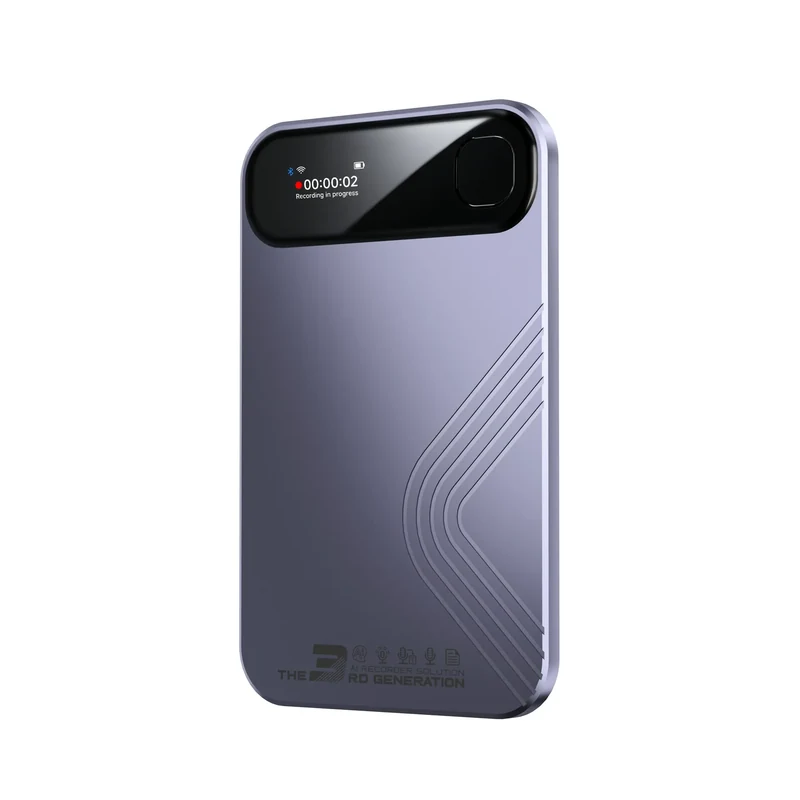
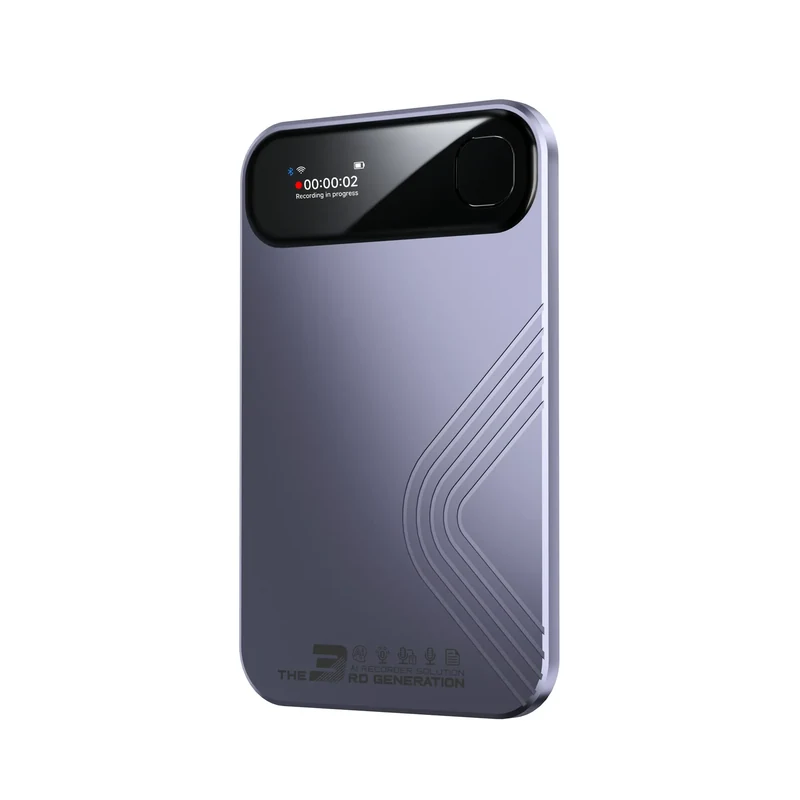
Safety stock is calculated based on the average daily demand, lead time, and service level. For example, if the average daily demand for the Slim AI Voice Recorder with Five-Microphone Array, Wi-Fi Transcription and App Summary is 10 units, and the lead time is 20 days, the safety stock would be 200 units (10 units/day \* 20 days). This calculation helps ensure that there is enough stock to meet demand during the lead time. The service level, which is the percentage of time that the stock level is sufficient to meet demand, is also a critical factor in safety stock calculations.
Seasonal Peaks and Packaging Considerations
Seasonal peaks in demand can significantly impact reorder planning for private label AI recording and translation devices. The potential for increased demand during peak seasons must be accounted for in safety stock calculations. Packaging plate and artwork reuse can help reduce costs and lead time. For instance, the Private Label Card-Style AI Voice Recorder offers customisation groups for logo, packaging, and label replacement, which can be reused for future orders.
Reusing Packaging Plates and Artwork
Reusing packaging materials can help reduce waste, lower costs, and improve efficiency. This strategy is particularly beneficial for products with high demand, such as the Credit-Card AI Recording Device with Five-Microphone Array and Wi-Fi File Transfer. By reusing packaging materials, buyers can minimize the environmental impact of their operations and reduce the costs associated with packaging.
Cost of Stockouts
The cost of letting a SKU run out mid-season can be significant, including lost sales, damaged reputation, and potential long-term consequences. The cost of stockouts can be calculated by considering the lost sales, marketing expenses, and damage to the brand reputation. A stockout can result in a loss of customer loyalty and a decrease in sales. To minimize the cost of stockouts, buyers must carefully plan their reorders and consider all relevant factors.
Minimizing Stockout Costs
Implementing a just-in-time (JIT) inventory system or using a third-party logistics (3PL) provider can help minimize stockout costs. These strategies can reduce the risk of stockouts and ensure that private label AI recording and translation devices are available to meet demand. Data analytics and forecasting tools can also be used to improve demand forecasting and reduce the risk of stockouts. By analyzing historical sales data and market trends, buyers can better predict demand and adjust their inventory levels accordingly.
Reorder Planning Strategies
Effective reorder planning strategies for private label AI recording and translation devices involve calculating safety stock, considering lead time, and accounting for seasonal peaks. A well-planned reorder strategy can help buyers reduce costs, improve efficiency, and increase customer satisfaction. The Private Label Programme offered by SZJOYTech can help buyers customize their products, packaging, and artwork, reducing costs and lead time.
Implementing a Reorder Point System
A reorder point system can be implemented to ensure timely reorders. This system involves setting a reorder point based on the safety stock calculation and automatically generating a purchase order when the stock level reaches that point. The reorder point system can be customized to meet the specific needs of the buyer and can be integrated with other inventory management systems. By implementing a reorder point system, buyers can minimize the risk of stockouts and ensure that their inventory levels are always sufficient to meet demand.
| Product | MOQ | Lead Time | Safety Stock |
|---|---|---|---|
| SZJT-AR-001 | 50 | 15-30 days | 200 units |
| SZJT-AR-002 | 50 | 15-30 days | 150 units |
| SZJT-AR-003 | 50 | 15-30 days | 250 units |
| SZJT-AR-004 | 50 | 15-30 days | 100 units |
| SZJT-AR-005 | 50 | 15-30 days | 300 units |
| SZJT-AR-006 | 50 | 15-30 days | 200 units |
Private Label Programme Considerations
The private label programme offered by SZJOYTech allows buyers to customize their products, packaging, and artwork. This programme can help reduce costs and lead time, as well as improve efficiency. Buyers can visit SZJOYTech's private label page to learn more about the programme and its benefits. The private label programme is a valuable resource for buyers looking to create unique products that meet their specific needs and requirements.
Customisation Options
The private label programme offers various customisation options, including logo replacement, packaging customisation, and label replacement. These options can be tailored to meet the specific needs of the buyer and can be integrated with other inventory management systems. By customizing their products, packaging, and artwork, buyers can create a unique brand identity and differentiate themselves from their competitors.
Benefits of Reorder Planning
Effective reorder planning can help buyers reduce costs, improve efficiency, and increase customer satisfaction. By calculating safety stock, considering lead time, and accounting for seasonal peaks, buyers can ensure that they have enough stock to meet demand during the lead time and avoid the costs associated with stockouts. Reorder planning can also help buyers improve their inventory management systems and reduce waste.
Improving Inventory Management
Reorder planning can help buyers improve their inventory management systems by providing a clear understanding of the inventory levels and the demand for the products. This can help buyers reduce waste, lower costs, and improve efficiency. The inventory management system can be customized to meet the specific needs of the buyer and can be integrated with other systems. By improving their inventory management systems, buyers can minimize the risk of stockouts and ensure that their inventory levels are always sufficient to meet demand.
Common Mistakes in Reorder Planning
Common mistakes in reorder planning include failing to calculate safety stock, not considering lead time, and not accounting for seasonal peaks. These mistakes can lead to stockouts, lost sales, and damaged reputation. Buyers must carefully plan their reorders and consider all relevant factors to avoid these mistakes. By doing so, buyers can minimize the risk of stockouts and ensure that their inventory levels are always sufficient to meet demand.
Avoiding Stockouts
To avoid stockouts, buyers must carefully plan their reorders and consider all relevant factors, including safety stock, lead time, and seasonal peaks. This can help buyers ensure that they have enough stock to meet demand during the lead time and avoid the costs associated with stockouts. By analyzing historical sales data and market trends, buyers can better predict demand and adjust their inventory levels accordingly. By avoiding stockouts, buyers can minimize the risk of lost sales and damaged reputation.
Key takeaways
- Calculate safety stock based on average daily demand, lead time, and service level.
- Consider seasonal peaks and packaging considerations when planning reorders.
- Reuse packaging plates and artwork to reduce costs and lead time.
- Implement a just-in-time (JIT) inventory system or use a third-party logistics (3PL) provider to minimize stockout costs.
- Set a reorder point based on the safety stock calculation to ensure timely reorders.
- Consider the private label programme offered by SZJOYTech to customize products, packaging, and artwork.
Next Steps
To plan reorders for private label AI recording and translation devices, buyers should calculate safety stock, consider lead time, and account for seasonal peaks. They should also consider the potential for reusing packaging materials and the costs of stockouts. For more information on private label AI recording and translation devices, visit SZJOYTech's product page. To request a quote, visit SZJOYTech's request a quote page and provide the model, quantity, destination, and packaging requirements.
Frequently Asked Questions
What is the lead time for private label AI recording and translation devices?
The lead time typically ranges from 15 to 30 days.
How do I calculate safety stock for private label AI recording and translation devices?
Safety stock is calculated based on the average daily demand, lead time, and service level.
Can I reuse packaging plates and artwork for private label AI recording and translation devices?
Yes, reusing packaging materials can help reduce costs and lead time.
What are the costs of letting a SKU run out mid-season?
The costs can include lost sales, damaged reputation, and potential long-term consequences.
How do I implement a reorder point system for private label AI recording and translation devices?
Set a reorder point based on the safety stock calculation and automatically generate a purchase order when the stock level reaches that point.
What is the minimum order quantity (MOQ) for private label AI recording and translation devices?
The MOQ is confirmed per model and configuration.
Can I customize the products, packaging, and artwork for private label AI recording and translation devices?
Yes, the private label programme offered by SZJOYTech allows for customization of products, packaging, and artwork.
Ready to shortlist suppliers?
Send your SKU list, target quantities and destination markets. We confirm current specifications, MOQ tiers, certification files and carton data before any order.