Open-Ear vs In-Ear Earbuds: Planning a Wholesale Range
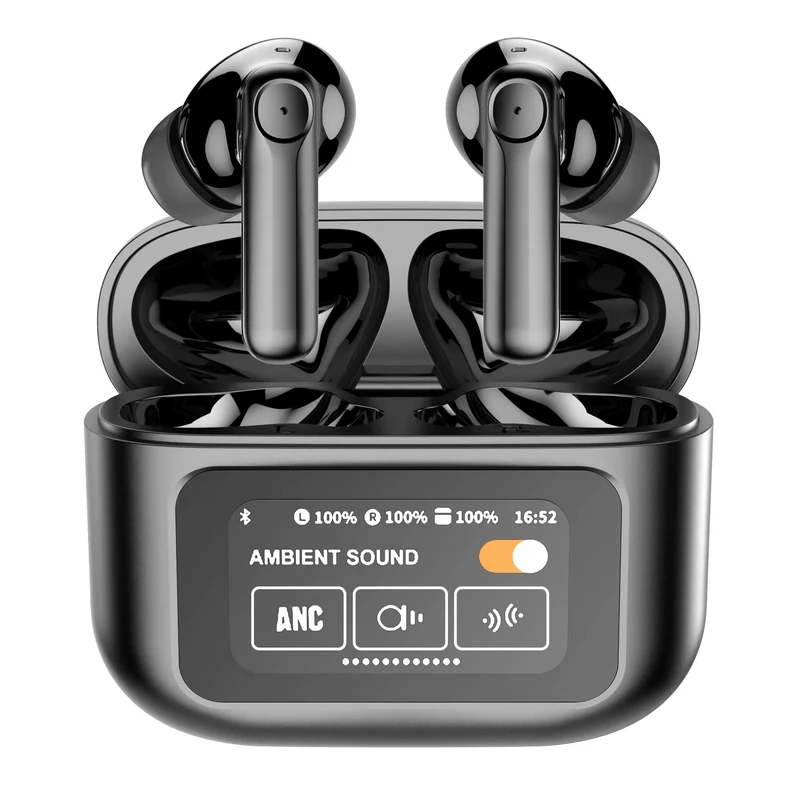
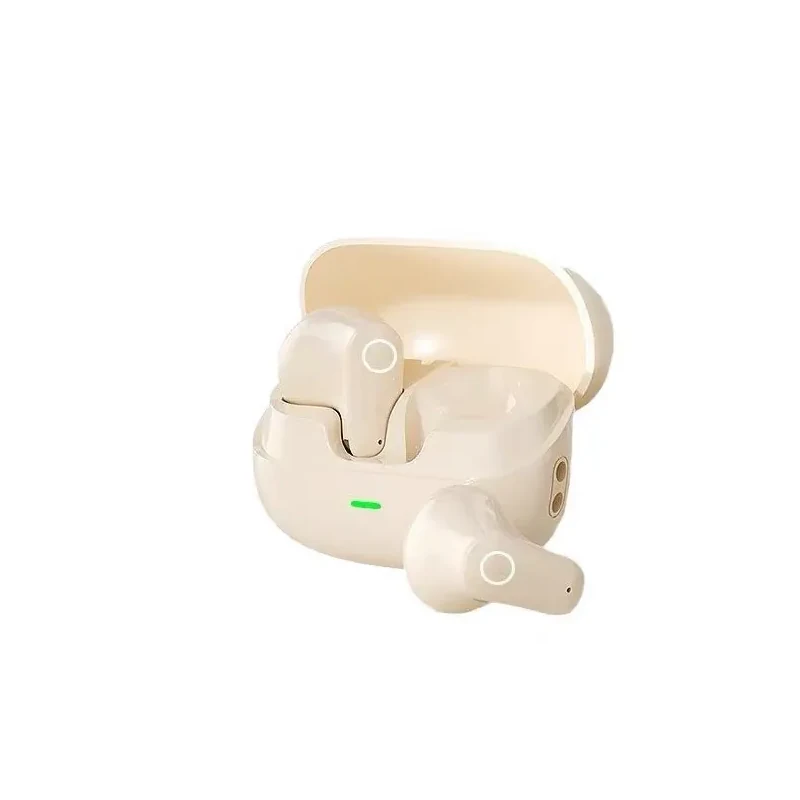
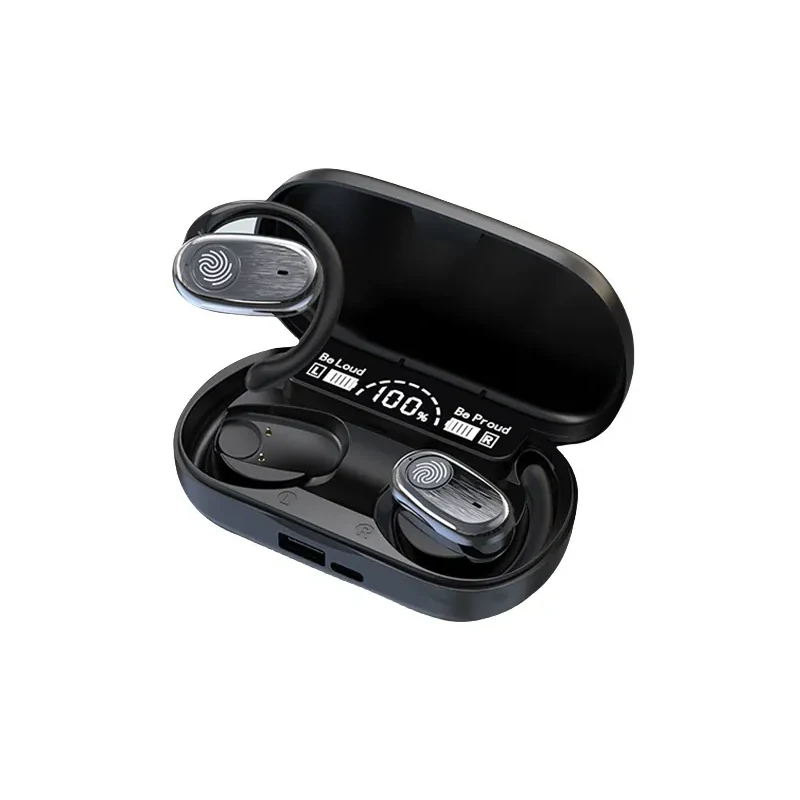
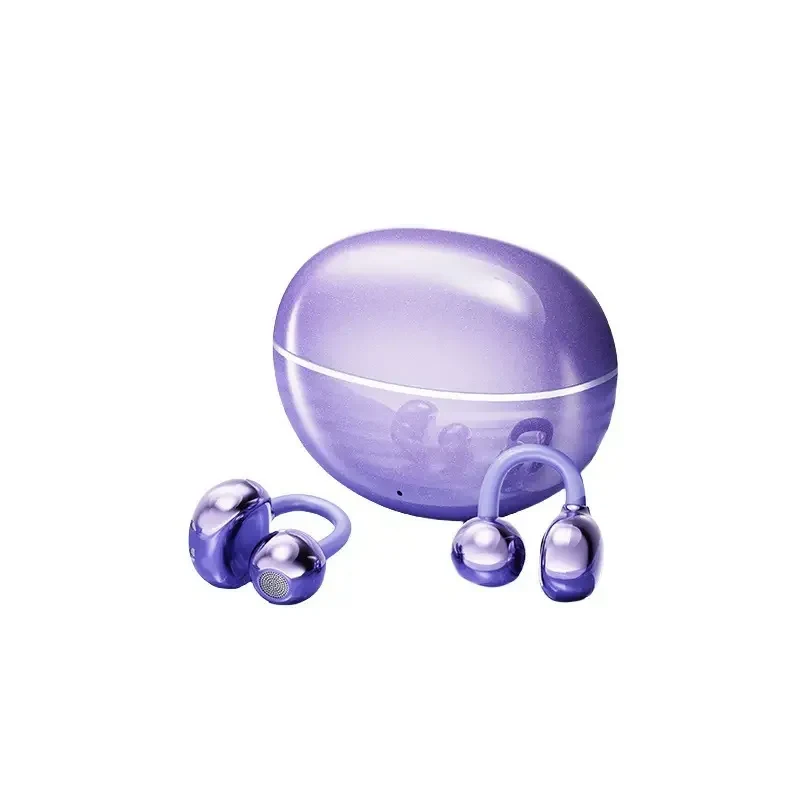
Open-ear and in-ear earbuds answer opposite questions. In-ear designs seal the ear canal, which is what makes noise cancellation and bass possible, at the cost of awareness and of fit sensitivity. Open-ear designs leave the canal clear, which preserves awareness and comfort over long wear, at the cost of isolation, bass and leakage at high volume. A range usually needs both: open-ear for sport, commute and workplace awareness, in-ear for travel, focus and call quality.
Key takeaways
- The deciding variable is isolation, not sound quality.
- In-ear returns are dominated by fit; open-ear returns are dominated by leakage and volume expectations.
- Open-ear is easier to wear for hours and harder to make bass-heavy.
- ANC is an in-ear feature; open-ear designs invert the problem and need the opposite tuning.
- Safety rules in some markets restrict headphone use while driving, which favours open-ear positioning only where permitted.
The trade in one table
| Dimension | In-ear | Open-ear |
|---|---|---|
| Ear canal | Sealed with a tip | Left open |
| Isolation | High | Low by design |
| Bass response | Strong, depends on seal | Limited by physics |
| Awareness of surroundings | Reduced | Preserved |
| ANC | Effective and expected at mid-market | Not the same proposition |
| Fit sensitivity | High — tips must match the ear | Lower — hook or clip based |
| Long-wear comfort | Varies; some users find pressure | Usually high |
| Leakage at high volume | Minimal | Noticeable to people nearby |
| Typical channels | Travel, office, commuting | Sport, cycling, workplace, driving where legal |
Why isolation decides the channel
A customer buying for a flight wants the engine noise gone. That is an in-ear sale, and ANC is the reason. A customer buying for a bike ride wants to hear traffic. That is an open-ear sale, and ANC would be a defect from their point of view.
Between those two extremes sit the channels that actually drive volume:
- Sport and outdoor retail — open-ear, because awareness is a safety argument and moisture resistance matters.
- Travel and airport retail — in-ear with ANC, because the product's value is measurable in a noisy cabin.
- Office and call use — split: in-ear for focus, open-ear for people who need to hear a colleague or a doorbell.
- Long-wear and all-day wear — open-ear, because pressure in the canal is the limiting factor for many users.
- Gift and entry price bands — either, but usually in-ear, because customers expect isolation at low prices too.
The return profiles are different
Buyers often assume open-ear is "safer" because it avoids the fit problem. It avoids one problem and introduces another.
In-ear returns cluster around fit and seal: tips that do not match, bass that disappears, one bud that falls out. The fix is more tip sizes, softer materials and a clear fitting guide in the box.
Open-ear returns cluster around expectation: customers who expected bass, customers who expected isolation, and complaints about sound leaking to people nearby at high volume. The fix is positioning — describe it as awareness-first audio, not as a substitute for sealed earbuds — and a volume that keeps leakage acceptable.
Neither format is lower-risk in absolute terms. They carry different risks, and the packaging and listing copy is what determines which one you actually face.
What ANC means in each format
In-ear ANC is a known engineering problem with a clear architecture: sample noise, invert it, apply it in a sealed cavity. Results are predictable and comparable across products.
Open-ear ANC is a different proposition. With the canal open, low-frequency cancellation is limited, and the design goal shifts towards beam-forming for voice pickup and wind-noise reduction rather than blocking the environment. A supplier who offers "ANC open-ear earbuds" should be able to explain what is being cancelled and how it is measured — otherwise the claim is a label, not a feature.
Beam-forming for calls, by contrast, is valuable in both formats, because it improves what the other person hears regardless of whether the ear is sealed.
Building a range that does not compete with itself
A workable structure for most distributors:
- Open-ear sport SKU — ear-hook or ear-clip, moisture resistant, positioned on awareness and stability during movement.
- Open-ear everyday SKU — lighter, business-casual, positioned on all-day comfort and calls.
- In-ear ANC SKU — the travel and focus product, priced higher, with a proper tip selection.
- In-ear entry SKU — simple, cheap, for gift and bundle channels.
The two open-ear SKUs share a story; the two in-ear SKUs share a story. Cross-shopping between the pairs is limited because the customer's question is different, which is the point: the range covers two intents rather than four products.
Specification questions before ordering either format
- What is the acoustic design, and for open-ear, how is leakage managed at high volume?
- Which microphone array is used for calls, and is beam-forming claimed?
- What tip sizes and materials ship with the in-ear model?
- For open-ear, what is the hook or clip material, and how is it expected to age?
- What is the IP rating, and does it cover sweat, rain or only dust?
- Are there market-specific rules about headphone use while driving that affect your positioning?
- What does the packaging claim about isolation, and does it match the product?
This guide compares product formats and the commercial questions attached to each. It does not publish sales data, test results for specific SKUs or market forecasts. Rules on headphone use while driving differ by jurisdiction and change over time — confirm the current requirements for the markets you sell into before using any such positioning.
Frequently asked questions
Are open-ear earbuds better for health?
They are better for situational awareness, because the ear canal stays open and ambient sound reaches the wearer. That is a safety and comfort argument, not a medical one, and it should be described that way in listings. Avoid health claims you cannot substantiate.
Can open-ear earbuds produce good bass?
Bass depends on moving air against a sealed volume. With the canal open, low-frequency output is limited by physics, which is why open-ear products are usually tuned for mid-range clarity and voice rather than for bass. Customers expecting sealed-earbud bass will be disappointed, so position the product on awareness rather than on low-end performance.
Which format has fewer returns?
They fail differently rather than one failing less. In-ear models are returned for fit and seal; open-ear models are returned for leakage and unmet expectations about bass or isolation. The return rate depends more on how honestly the listing describes the product than on the format itself.
Do I need ANC in an open-ear product?
Not in the sense customers expect from in-ear models. With the canal open, low-frequency cancellation is limited. What matters more is call noise reduction and wind handling. If a supplier claims ANC on an open-ear design, ask what is cancelled and how it was measured.
Should a first range include both formats?
If you sell into both sport and travel channels, yes — two SKUs, one per format, is usually enough to start. If your channel is narrow, pick the format that matches the customer's intent and go deeper on colours and price tiers instead of splitting the range.
Ready to shortlist suppliers?
Send your SKU list, target quantities and destination markets. We confirm current specifications, MOQ tiers, certification files and carton data before any order.