AI Glasses OEM vs Private Label: Which Is Better for Your New Brand?
For a 2027 brand launch, the choice between AI glasses OEM and private label depends on your priorities and resources. Private label offers faster time-to-market and lower MOQs, typically 50 pcs, while OEM provides full design freedom but requires higher MOQs and longer development cycles.
Introduction to AI Glasses OEM and Private Label
When launching a new brand, considering the options for AI glasses is crucial. The two main paths are AI glasses OEM and private label. Each has its advantages and disadvantages, which must be evaluated based on your brand's goals and resources. Understanding the differences between these options is essential for making an informed decision.
Understanding the Options
The private label option starts from existing certified platforms, reducing development risk and time. This approach allows for faster time-to-market and lower MOQs. In contrast, AI glasses OEM is a separate engineering project, providing full design freedom but requiring higher MOQs and longer development cycles. The choice between these options depends on your brand's priorities and resources.
Comparison of AI Glasses OEM and Private Label
The following table compares the key differences between AI glasses OEM and private label:
| Option | MOQ | Development Cycle | Design Freedom | Cost |
|---|---|---|---|---|
| Private Label | 50 pcs | Faster | Limited | Lower |
| AI Glasses OEM | Higher | Longer | Full | Higher |
Evaluating the Costs
When evaluating the costs, consider the total cost of ownership, including development costs, production costs, and marketing expenses. The upfront costs of private label may be lower, but OEM can provide long-term benefits, such as increased brand recognition and customer loyalty. Visit the private label programme page to learn more about the costs associated with private label.
Assessing the Risks
Assessing the risks associated with each option is essential. Private label carries less risk, as it is based on existing certified platforms. OEM, on the other hand, involves a separate engineering project, which can be complex and time-consuming. Brands that choose OEM must be prepared to manage the risks associated with product development.
Choosing the Right Option for Your Brand
When deciding between AI glasses OEM and private label, consider your brand's goals, target market, and competitive landscape. If you want to quickly enter the market with a proven product, private label may be the better option. However, if you have significant resources and want to create a customized product, OEM may be more suitable. Align your brand's goals with the benefits of each option to make an informed decision.
Considering Your Brand's Goals
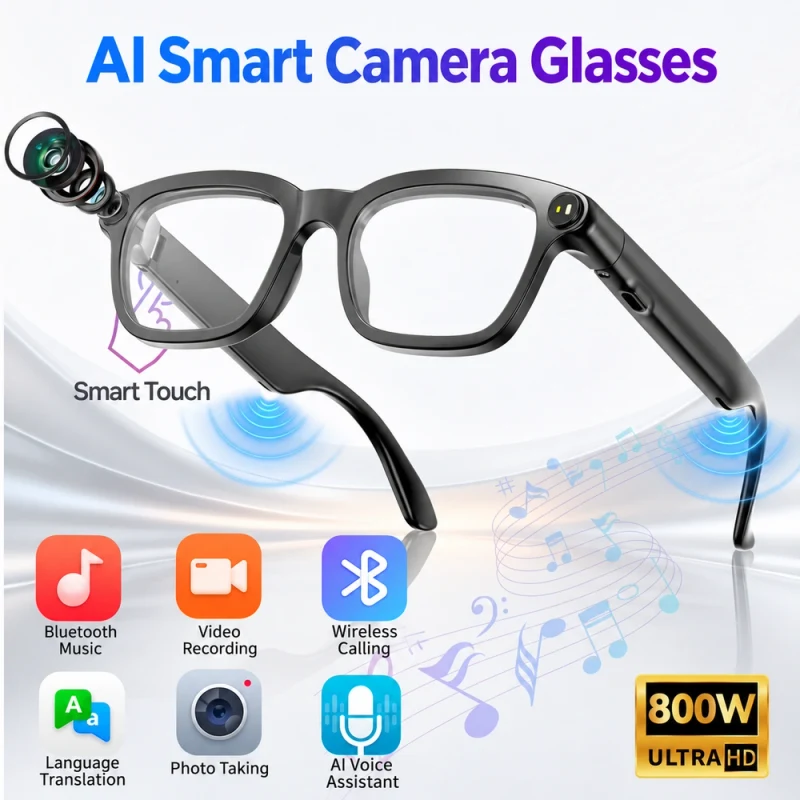
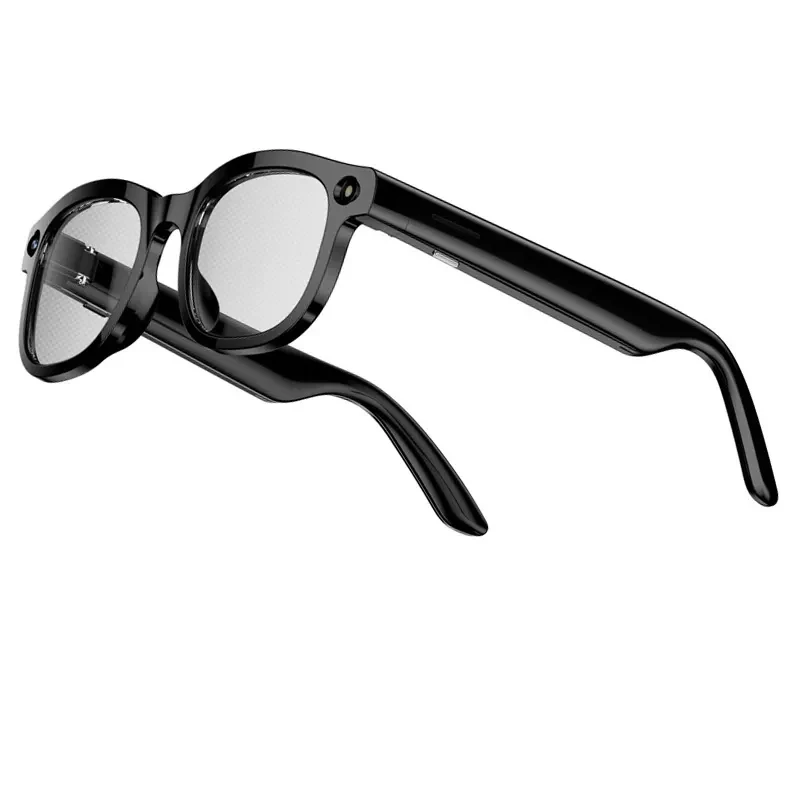
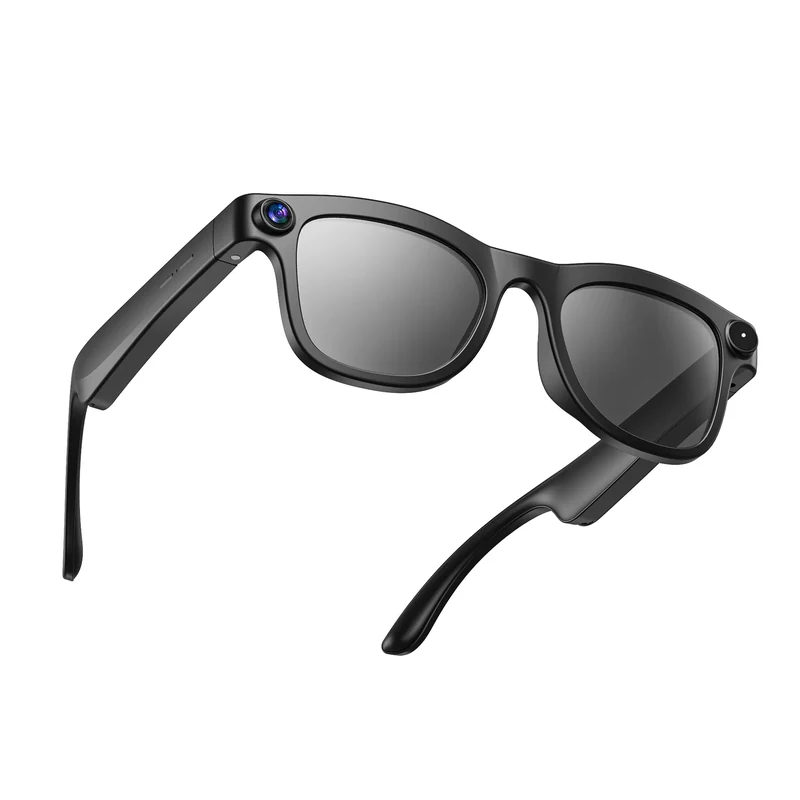
Consider your brand's goals, such as increasing market share, improving customer satisfaction, or expanding into new markets. The smart glasses category page offers a range of products that can help you achieve your goals. For example, the Bluetooth Audio Glasses with Binaural Stereo, Voice Control, IPX4 Rating and Permanent AI Translation may be suitable for a brand that wants to offer a high-quality audio experience.
Evaluating Your Target Market
Evaluating your target market is essential for choosing the right option. Consider your target market's needs, preferences, and expectations. The blog page offers articles that can help you understand your target market, such as How to Choose an AI Glasses Supplier for Wholesale: A Buyer's Checklist.
Next Steps
To explore private label solutions or learn more about AI glasses OEM, contact SZJOYTech about product selection, logo customization, packaging, and wholesale supply. You can also browse the smart glasses category page to view available models. Request a quote through the request a quote page, including your brand's requirements, such as the model, quantity, destination, and packaging needs.
Additional Resources
For more information on AI glasses OEM and private label, read the Private Label AI Smart Glasses: Build Your Own AI Eyewear Brand in 2027 and How to Start a Private Label Smart Wearables Brand in 2027 articles.
Case Study: Private Label Success
A brand that successfully launched a private label AI glasses product is a great example of the benefits of this option. By leveraging an existing certified platform, the brand was able to quickly enter the market and achieve significant sales. The brand's decision to choose private label was based on its goal of quickly expanding into the AI glasses market and its limited resources for product development.
Benefits of Customization
While private label offers limited design freedom, OEM provides the opportunity for full customization. This can be beneficial for brands that want to create a unique product that meets their specific needs. However, customization can also increase the development time and cost. Brands must weigh the benefits of customization against the potential drawbacks.
Managing Risks
Managing risks is essential for both private label and OEM. Brands must be prepared to handle potential issues, such as product defects or supply chain disruptions. By understanding the risks associated with each option, brands can make informed decisions and develop strategies to mitigate potential problems.
Conclusion
The choice between AI glasses OEM and private label depends on your brand's priorities and resources. Private label offers faster time-to-market and lower MOQs, while OEM provides full design freedom but requires higher MOQs and longer development cycles. By considering your brand's goals, target market, and competitive landscape, you can make an informed decision and choose the option that best suits your needs.
Key takeaways
- The choice between AI glasses OEM and private label depends on your priorities and resources.
- Private label offers faster time-to-market and lower MOQs.
- AI glasses OEM provides full design freedom but requires higher MOQs and longer development cycles.
- Consider your brand's goals, target market, and competitive landscape to make an informed decision.
- Explore private label solutions or contact SZJOYTech about product selection, logo customization, packaging, and wholesale supply.
- Managing risks is essential for both private label and OEM.
| Column A | Column B | Column C |
|---|---|---|
| Faster Time-to-Market | Lower MOQs | Proven Product |
| Full Design Freedom | Higher MOQs and Longer Development Cycles | Customized Product |
| Limited Design Freedom | Lower Costs | Increased Brand Recognition |
| Full Design Freedom | Higher Costs | Increased Customer Loyalty |
Frequently Asked Questions
What is the typical MOQ for private label?
The typical MOQ for private label is 50 pcs.
How long does the development cycle for AI glasses OEM typically take?
The development cycle for AI glasses OEM can take several months to a year or more, depending on the complexity of the design.
Can I customize the design of private label products?
Private label products offer limited design freedom, as they are based on existing certified platforms.
What is the cost difference between AI glasses OEM and private label?
AI glasses OEM typically requires a higher investment than private label, due to the longer development cycle and higher MOQs.
How do I choose between AI glasses OEM and private label for my brand?
Consider your brand's priorities and resources, such as time-to-market, design freedom, and cost, to decide between AI glasses OEM and private label.
What are the benefits of private label?
Private label offers faster time-to-market, lower MOQs, and lower costs, making it a suitable option for brands that want to quickly enter the market.
What are the benefits of AI glasses OEM?
AI glasses OEM provides full design freedom, allowing brands to create customized products that meet their specific needs, and can provide long-term benefits, such as increased brand recognition and customer loyalty.
How can I manage risks associated with AI glasses OEM and private label?
By understanding the risks associated with each option and developing strategies to mitigate potential problems, brands can manage risks effectively.
Next Step
To explore private label solutions or learn more about AI glasses OEM, contact SZJOYTech at info@szjoy-tech.com with your brand's requirements, including the model, quantity, destination, and packaging needs, and request a quote through the request a quote page.
Ready to shortlist suppliers?
Send your SKU list, target quantities and destination markets. We confirm current specifications, MOQ tiers, certification files and carton data before any order.